BPOTY 12 Judge Spotlight: Daisy Gilardini
As entries for the 12th Bird Photographer of the Year come flying in, we caught up with our judging panel to find out more about how their passion for nature led them to a career in photography.
Read on to discover more about conservation photographer Daisy Gilardini - including her expert tips for entering the competition!
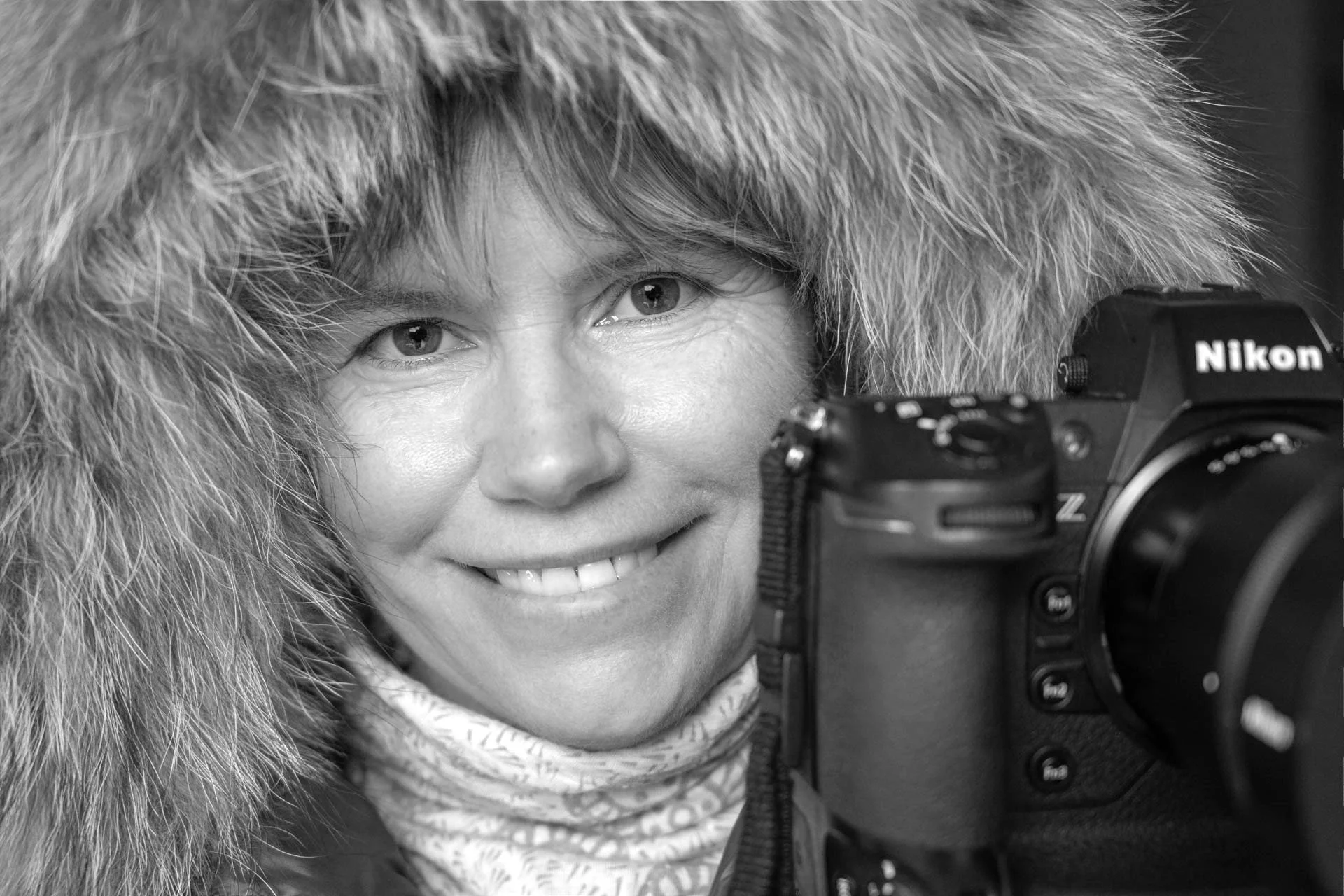
What inspired you to take up photography, why did you choose to make it your career and what do you love most about it?
Photography wasn't my first career. I spent many years working in finance before realizing that my passion for nature had become too strong to ignore. At the time, photography was simply a passion - something I pursued in my free time as a creative escape from long hours spent in front of a computer.
My philosophy in life has always been to follow your heart, live your dreams, and pursue what you are truly passionate about. In the beginning, my motivation was quite simple: I wanted to spend more time in the wilderness, reconnect with nature, and capture the beauty of wild animals through my photography.
It didn't take long, however, to realize that many of the places and species I was photographing were facing unprecedented challenges. Climate change, habitat loss, pollution, and other human pressures are affecting ecosystems around the globe.
That realization transformed my dream. It was no longer just about creating beautiful images. I wanted to become a voice for wildlife and the fragile environments they depend on - to use photography as a tool to raise awareness, inspire people to connect with nature, and ultimately encourage its protection.
Leaving a successful career in finance to become a full-time wildlife photographer was a leap of faith, but I have never regretted it. Today, I feel incredibly fortunate to spend my life documenting wildlife and some of the planet's most remote and spectacular ecosystems.
What I love most about photography is its ability to tell stories and create emotional connections. A single image can transcend language and cultural barriers, inviting people to see the world through a different lens. If one of my photographs inspires someone to care more deeply about wildlife or to protect a species or habitat, then I feel it has fulfilled its purpose.
Tell us about a highlight and a lowlight of your career
One of the greatest privileges of my career has been the opportunity to spend so much of my life in some of the world's most spectacular wilderness areas, documenting extraordinary wildlife such as polar bears, emperor penguins, and many other iconic species. To witness these animals in their natural environment and share their stories through photography is something I never take for granted. It continues to fill me with a profound sense of gratitude and humility.
The most difficult aspect of my career is witnessing firsthand how rapidly our planet is changing. Returning to the same places year after year means I don't just photograph wildlife - I also see disappearing sea ice, retreating glaciers, and ecosystems under increasing pressure. It can be heartbreaking to document these changes, but they also reinforce why my work matters. Rather than discouraging me, they strengthen my commitment to using photography to raise awareness and inspire people to protect the natural world.
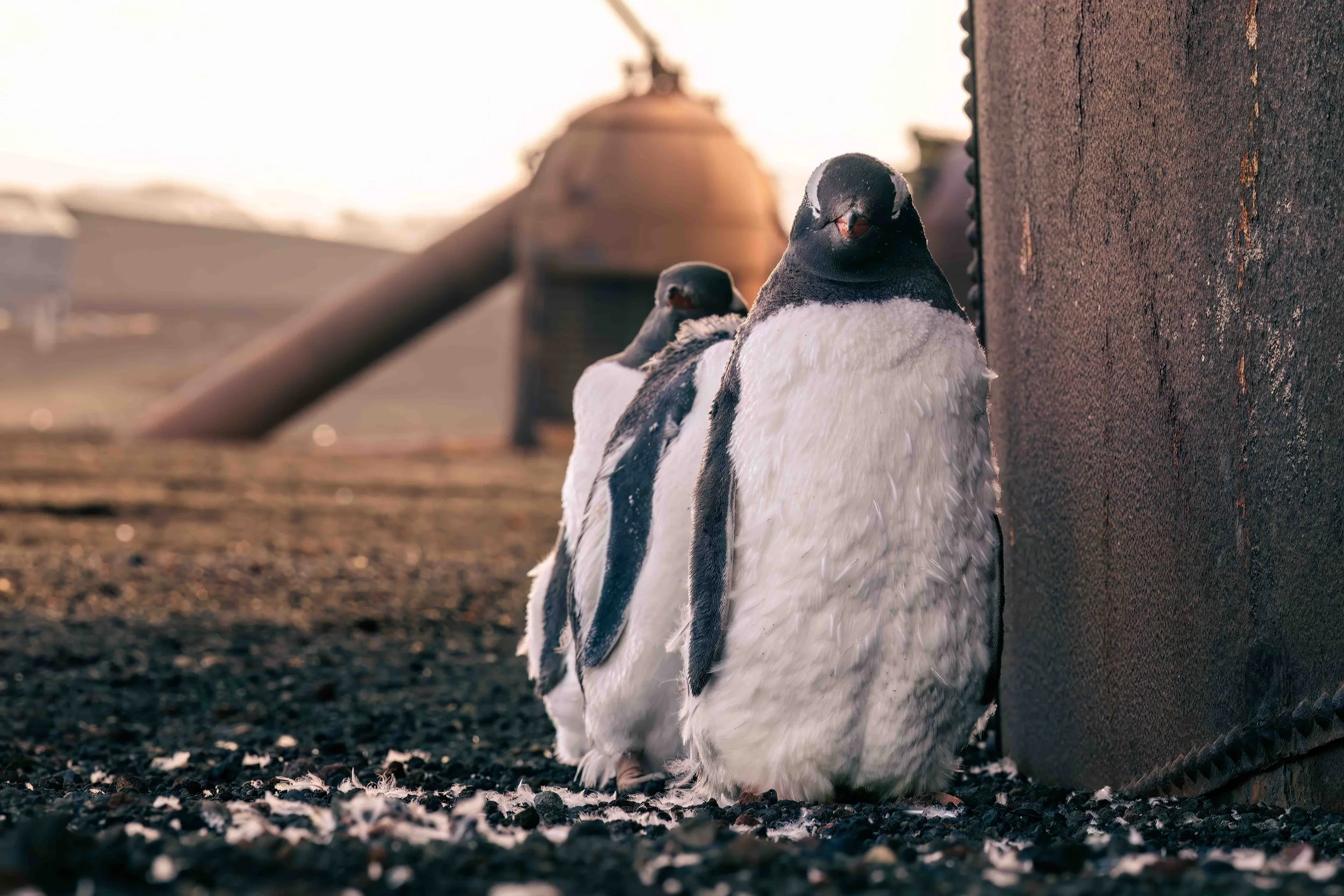
BPOTY 12 is open for entries!
If you could go back to when you were just starting out, what advice would you give yourself?
I would remind myself of something I now share with anyone beginning a new career, regardless of the field: follow your heart, believe in your dreams, and never give up.
Over the years, I have developed a philosophy that I call the "4P Rule": Passion, Patience, Perseverance, and Purpose.
Passion is the foundation of everything. If you truly love what you do, that enthusiasm will naturally be reflected in your photographs.
Patience is essential, especially in wildlife photography. You may spend hours, days, or even weeks in difficult conditions without creating the image you envisioned. Learning to embrace the process rather than chase the result is one of the greatest lessons nature can teach us.
Perseverance is what keeps you moving forward. There will always be setbacks and disappointments, but success belongs to those who keep learning, growing, and never lose sight of their goals.
Finally, Purpose gives meaning to everything we do. Photography is about much more than creating beautiful images. It is about telling stories, inspiring others, raising awareness, and, hopefully, making a positive difference for the natural world.
This philosophy has been my greatest lesson: when passion, patience, perseverance, and purpose align, you not only succeed - you inspire.
What is your favorite bird species to photograph and why?
Choosing one species is incredibly difficult, but if I had to pick, it would be the emperor penguin.
Although technically a bird, many people don't immediately think of penguins in that category. Emperor penguins live one of the most extraordinary lives on Earth, surviving the harshest winters on the planet while raising their chicks.
Photographing them is physically demanding and requires travelling to one of the most remote places on Earth, but every encounter feels magical. Their resilience, social behaviour, and incredible adaptations never cease to amaze me.
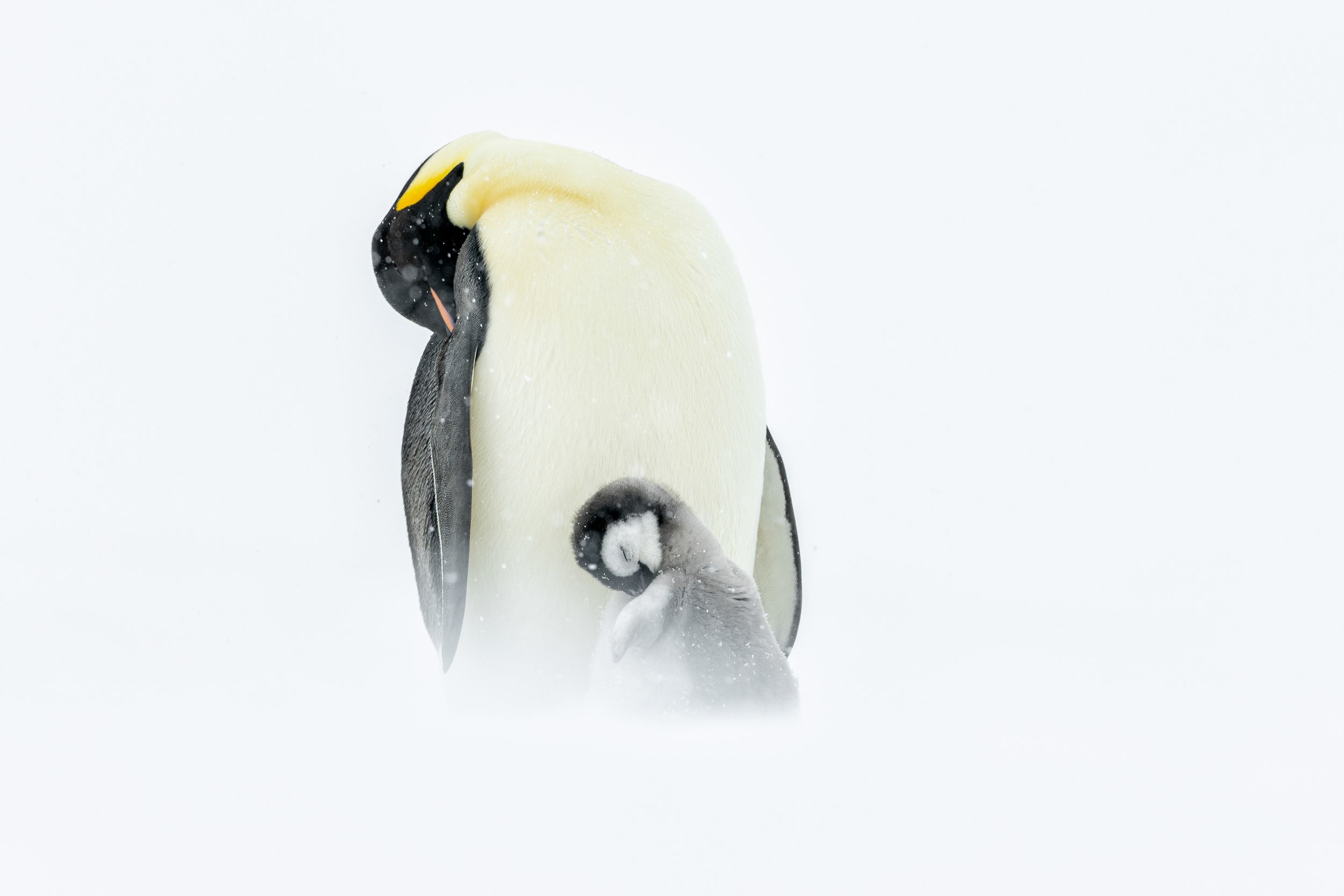
'Mum’s Protection' by Joshua Holko - BPOTY 2026 Commended
Show us your favorite photo that you have ever taken - why is it your favourite and what is the story behind it?
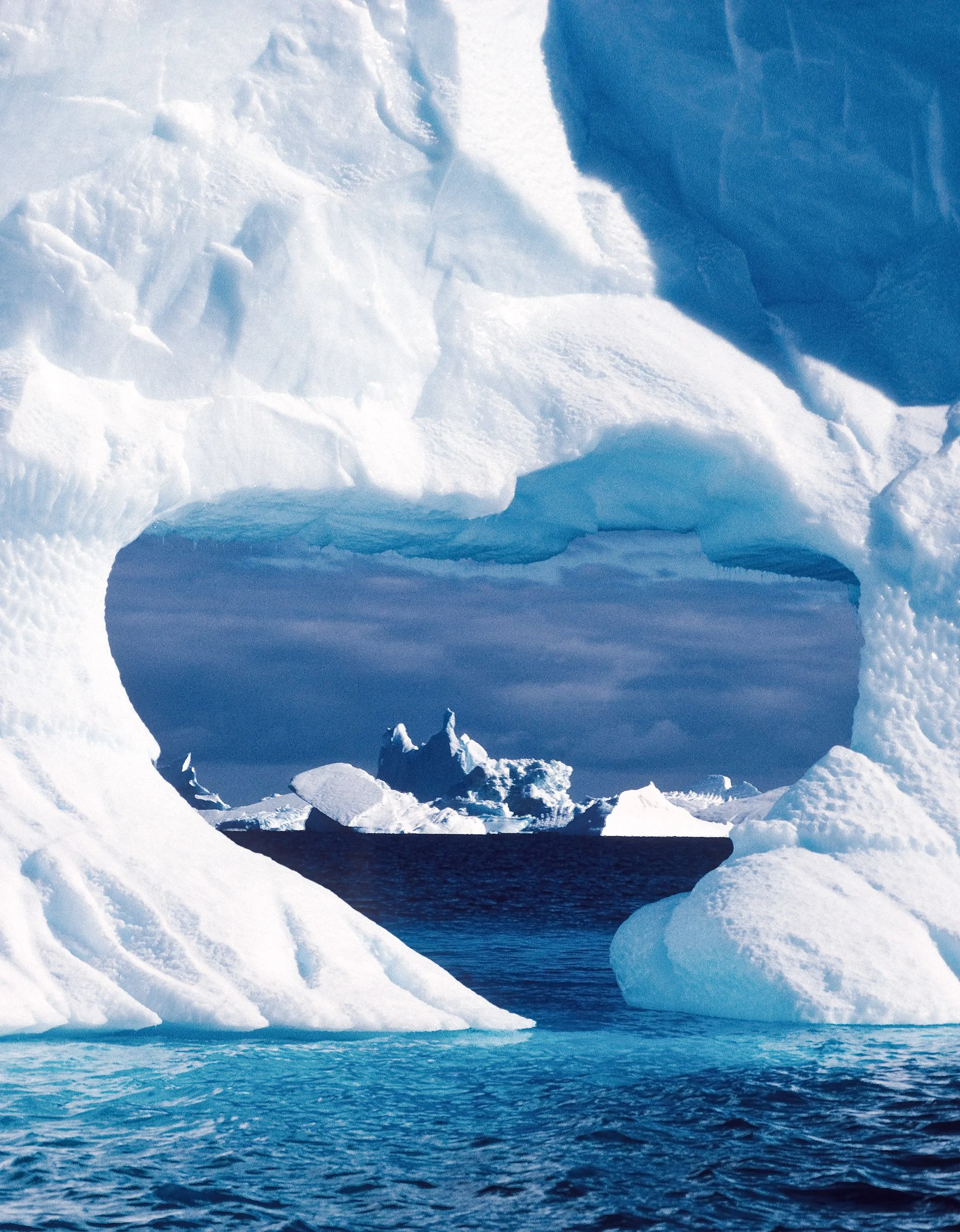
One of the dearest photographs I have ever taken is this heart-shaped iceberg, captured during my very first trip to Antarctica in 1997.
On a personal level, this image is perhaps the most symbolic photograph I have ever created. That journey completely changed the direction of my life. I arrived in Antarctica as a finance and accounting professional, but I left with a deep desire to dedicate myself to nature and conservation photography.
I have always felt that I left a piece of my heart in Antarctica during that first expedition. Since then, I have returned almost every year, building a lifelong connection with this extraordinary continent. Through my photography, I have had the privilege of documenting its incredible beauty, but also witnessing the profound changes brought by climate change in this fragile and vital ecosystem.
This heart-shaped iceberg is a reminder of the personal bond I have with Antarctica and the responsibility I feel to share its story and help protect it for future generations.
© Daisy Gilardini
What is the most challenging shot you’ve ever captured - and why?
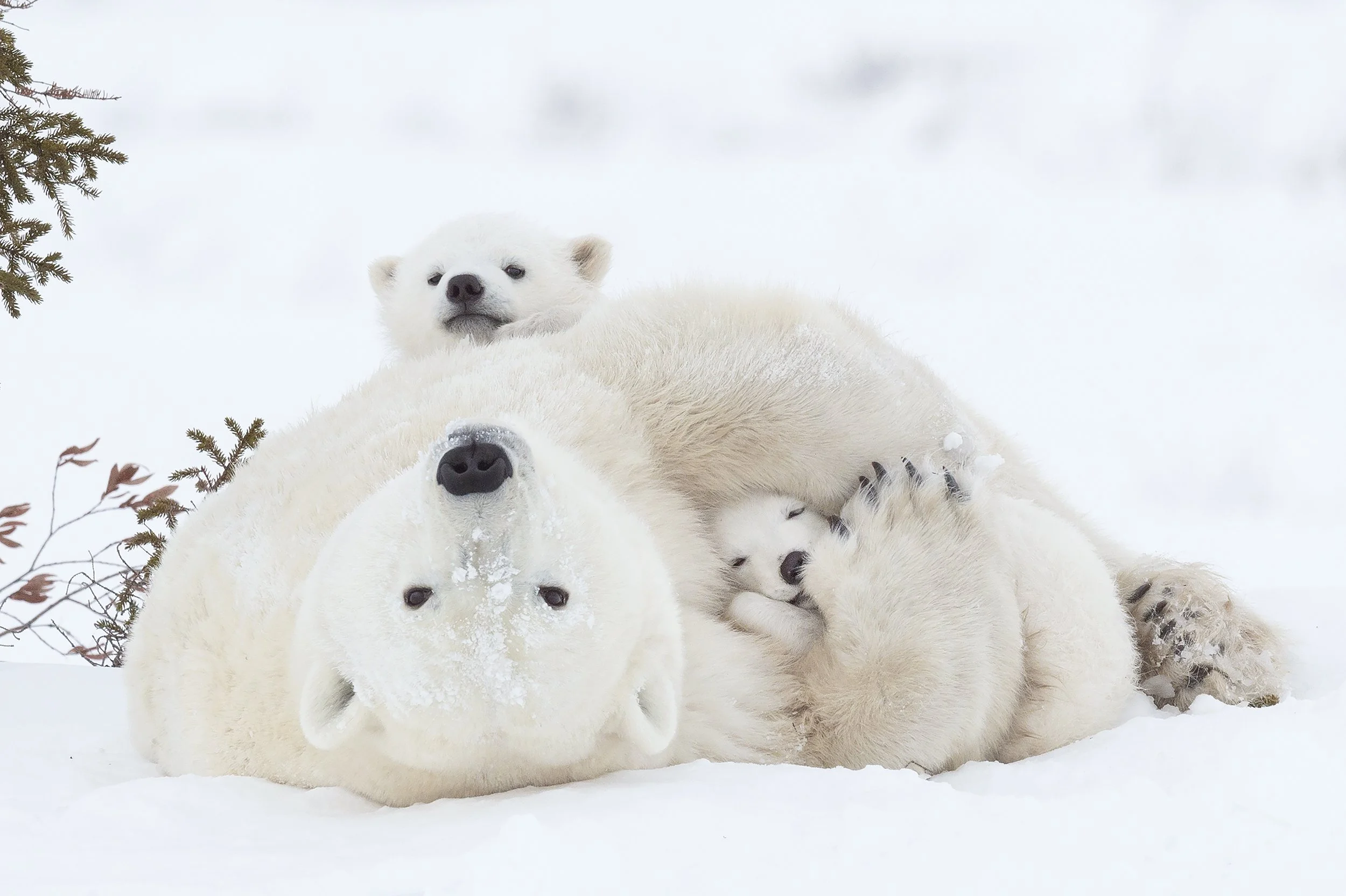
Polar bear cubs are, without a doubt, among my favourite subjects to photograph (second only to emperor penguin chicks). I have been documenting polar bear families in Wapusk National Park, Manitoba, Canada, for nearly twenty years, returning every March and April to witness one of the most extraordinary moments in the Arctic year.
After spending the winter months in maternity dens, polar bear mothers emerge in early spring with their tiny cubs, which are now around four months old. This timing coincides with the seal birthing season on the Hudson Bay pack ice, providing an important source of food for the bears after their long winter fast.
Photographing these encounters requires facing some of the most extreme conditions on Earth. Temperatures can drop to -54°C (-65°F), with winds reaching 60 km/h (38 mph). The cold challenges both the photographer and the equipment. Before even thinking about creating an image, you must first take care of yourself - protecting your face, hands, and feet, dressing in appropriate layers, and managing your body temperature to avoid perspiration, which can become dangerous in such conditions.
Once you are physically prepared, the technical challenges begin. Operating a camera while wearing heavy gloves, adjusting tiny controls, and keeping equipment functioning as moisture and extreme cold take their toll requires patience, preparation, and experience.
But all of these challenges disappear in a moment when you are fortunate enough to witness a polar bear mother gently caring for her cubs in their natural environment. Being able to photograph these intimate, peaceful moments with one of the Arctic's most iconic species is an incredible privilege and a reminder of why protecting these fragile ecosystems is so important.
© Daisy Gilardini
Which BPOTY category is your favorite and why?
At the beginning of my career, I was naturally drawn to intimate animal portraits, often using long telephoto lenses to capture the beauty and character of individual animals.
As my work evolved and my focus shifted more deeply toward conservation, I realized that the habitat of a species is just as important as the animal itself. Increasingly, I find that the images that resonate most strongly in my portfolio are those that show wildlife within the landscapes they depend on.
For this reason, my favourite category is the one that allows photographers to tell the complete story - the relationship between an animal and its environment. A species cannot survive without a healthy ecosystem, and if we want to protect wildlife, we must first protect the places they call home.
The most powerful conservation images are not only about the beauty of an individual animal; they are about helping people understand the fragile connection between wildlife and the natural world.
You can see the full list of BPOTY 12 Categories here.
What are your top tips and advice to entrants - how can they make their images stand out?
Technical excellence is only the foundation. Sharpness, exposure, and composition are important, but they rarely make an image truly unforgettable on their own.
The strongest competition images are those that tell a story and create an emotional connection. They offer a fresh perspective, reveal a unique behaviour, or show a familiar species in an unexpected way. A powerful image should make the viewer stop, feel something, and want to know more.
My advice to photographers is to photograph what genuinely inspires them rather than what they think judges or trends demand. Authenticity and passion always shine through, and developing your own visual voice is what will ultimately distinguish your work from others.
For conservation photography especially, we need strong, original, and innovative images that do more than show beauty. We need photographs that tell stories, create empathy, and touch people's hearts in a single frame. Those are the images that have the power to inspire change.
Daisy will be joining our other wonderful judges on the Bird Photographer of the Year panel.
Entries for this year’s competition are now open!