BPOTY 12 Judge Spotlight: Paul Sterry
The 12th Bird Photographer of the Year is open for entries, so we’ve turned the spotlight on this year’s judging panel - exploring their connection to wildlife photography and the experiences that led them here.
Read on to discover more about photographer, author and founder of Bird POTY, Paul Sterry - including his top tips for entering the competition!
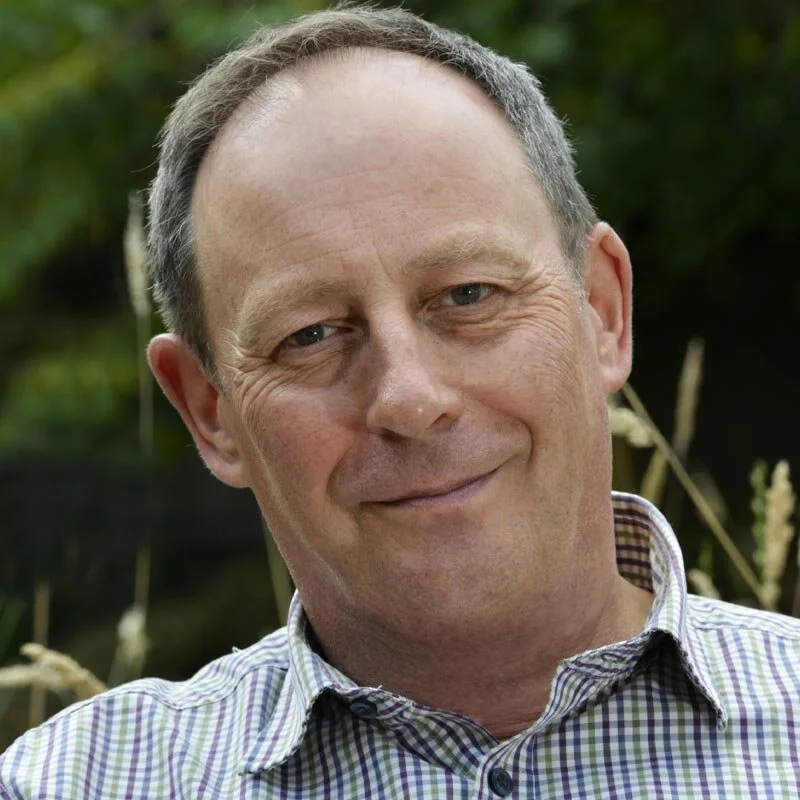
What inspired you to take up writing and photography, why did you choose to make them your career and what do you love most about them?
From an early age, my only interest in life was the natural world, and this passion only grew with time rather than diminished. Like many other budding naturalists, I wanted to record and catalogue my observations but was constantly frustrated by my inability to draw and paint to a respectable standard.
The discovery of photography in my late teens was a revelation. If I am honest, that part of my life began as an exercise in ‘collecting’ photographs. The beauty and wonder of natural imagery came later as I began to hone my photographic skills as well as my fieldcraft.
I was fortunate enough to be born and grow up in an era when there were relatively few wildlife photographers practicing their art, and even fewer individuals willing and able to write about wildlife and illustrate their subject matter photographically. With little to lose at the time, I leapt into the arena with seeming confidence. However, those who knew me better at the time might have used the aphorism ‘fake it until you make it’ to describe me.
As a founder of BPOTY, can you tell us what led you to set up the competition and how it has evolved over the years?
Although all forms of wildlife are my photographic subjects, I admit to having a particular fondness for bird photography, and capturing a good image provides a degree of satisfaction that is hard to rival.
I am reasonably competent at what I do, but have always been aware that there are large numbers of other photographs out there whose images excel beyond my own attempts, and which seldom get the recognition they deserve.
The desire to showcase some of the best worldwide imagery was behind the founding of BPOTY. It was an instant success and has grown every year since, both in terms of the number of entries and the quality of submitted images. Part of this is down to advances in photographic technology. But through its inspiration to others, I like to think that BPOTY has played a part in expanding the horizons of bird photographers around the world.
Each year I continue to be amazed and astounded by many of the images submitted to the competition, and I have lost count of the number of times I have muttered to myself ‘Wow, I wish I had taken that!’
BPOTY 12 is open for entries!
Tell us about Birds on the Brink, its connection to BPOTY, and why supporting its work is so important to you?
From the very beginning, BPOTY had conservation at its heart, and it was always my ambition that the competition would have twin aims: firstly, to inspire people to care about the natural world and birds in particular through the beauty and artistry of the images; secondly, to provide income for bird conservation.
Initial partners included the British Trust for Ornithology, and today the conservation ambition is realised through the relationship with BPOTY’s partner charity Birds on the Brink. This is a conservation grant-awarding charity that aims to provide modest but targeted grants to those individuals and organisations for whom a relatively small amount of money has a disproportionately beneficial impact on the avian world.
Tell us about a highlight and a lowlight of your career
Reframing the question, arguably the lowest point in my BPOTY career came with the Pandemic and the numerous unintended consequences of global lockdown. Those were challenging times for all of us.
Following that low, the next highlight was when Will Nicholls agreed to take on the running of BPOTY, leaving myself and colleague Andrew Cleave to concentrate on the charity, not to mention freeing up our time to take more photographs.
If you could go back to when you were just starting out, what advice would you give yourself?
My advice would be simple, and I would tell myself ‘It’s all about the light’. Once you understand that, everything else follows.
What is your favourite bird species to photograph and why?
That’s a really hard one because I have so many favourites!
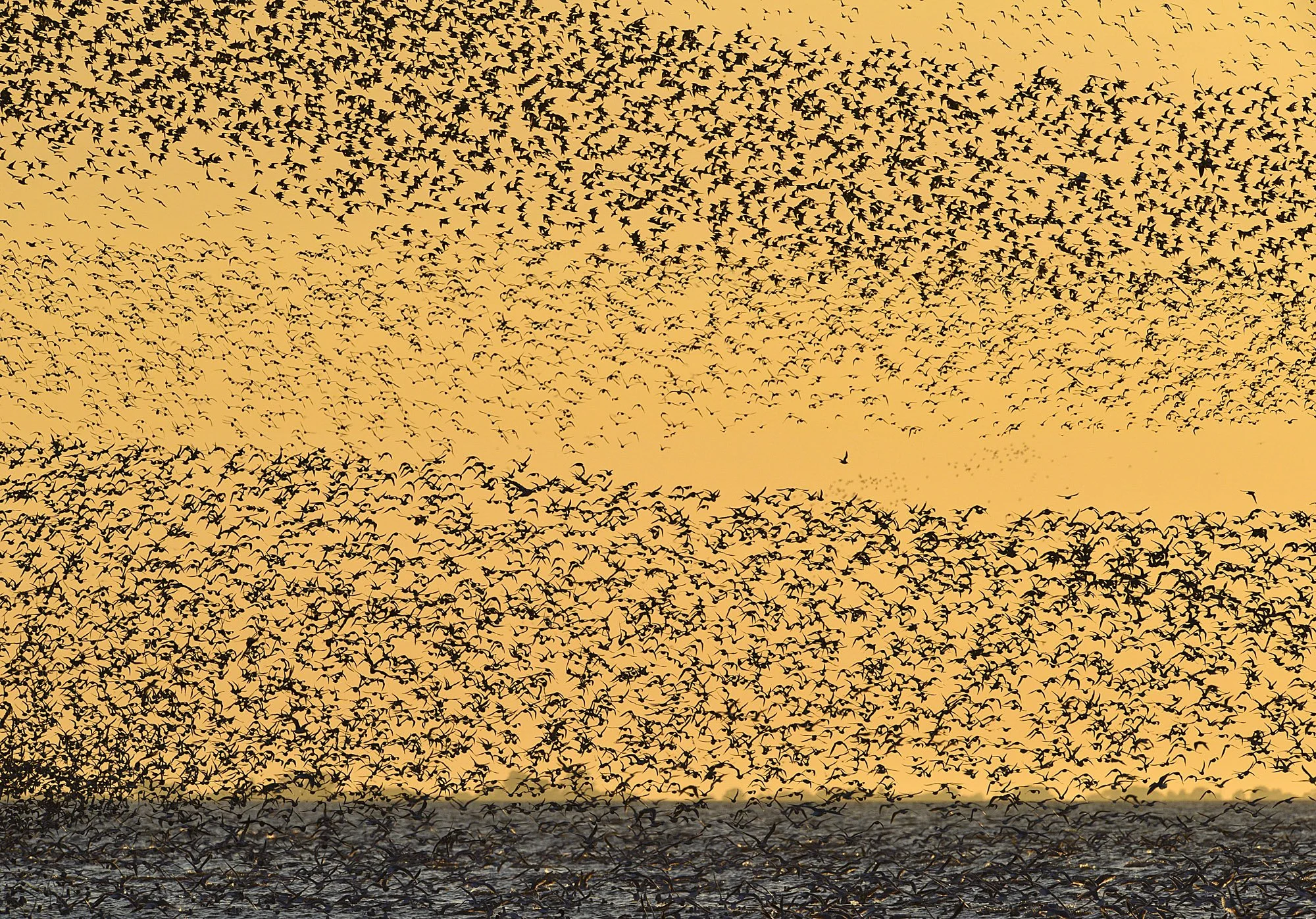
If I had to single out a species that provided opportunities for photography in an array of different ways, it would be the Knot. Individual birds are characterful, but there are few rivals in the natural world for the spectacle of tens of thousands of birds taking to the wing on The Wash, as seen from the RSPB’s reserve at Snettisham in North Norfolk.
© Paul Sterry
Show us your favorite photo that you have ever taken - why is it your favourite and what is the story behind it?
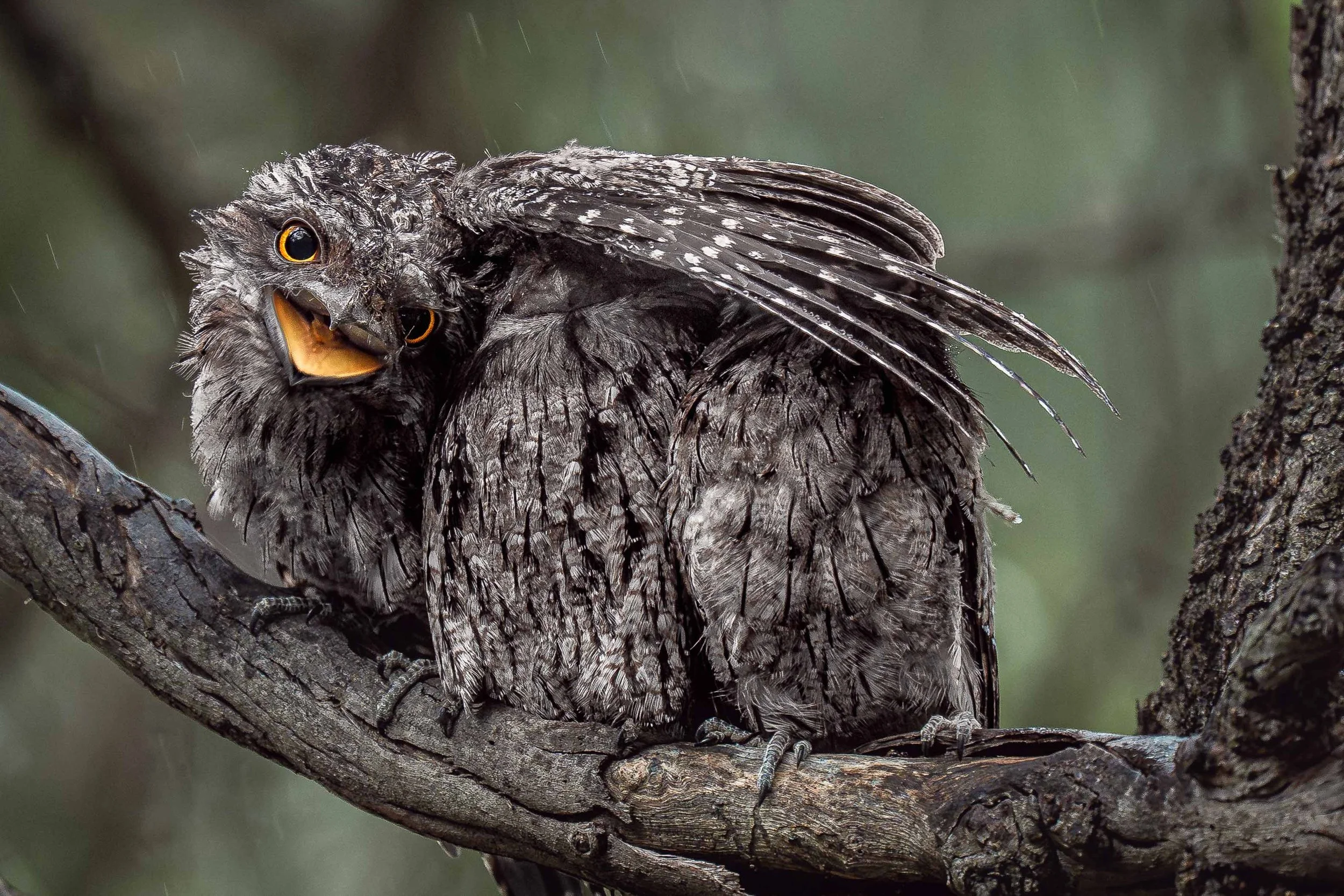
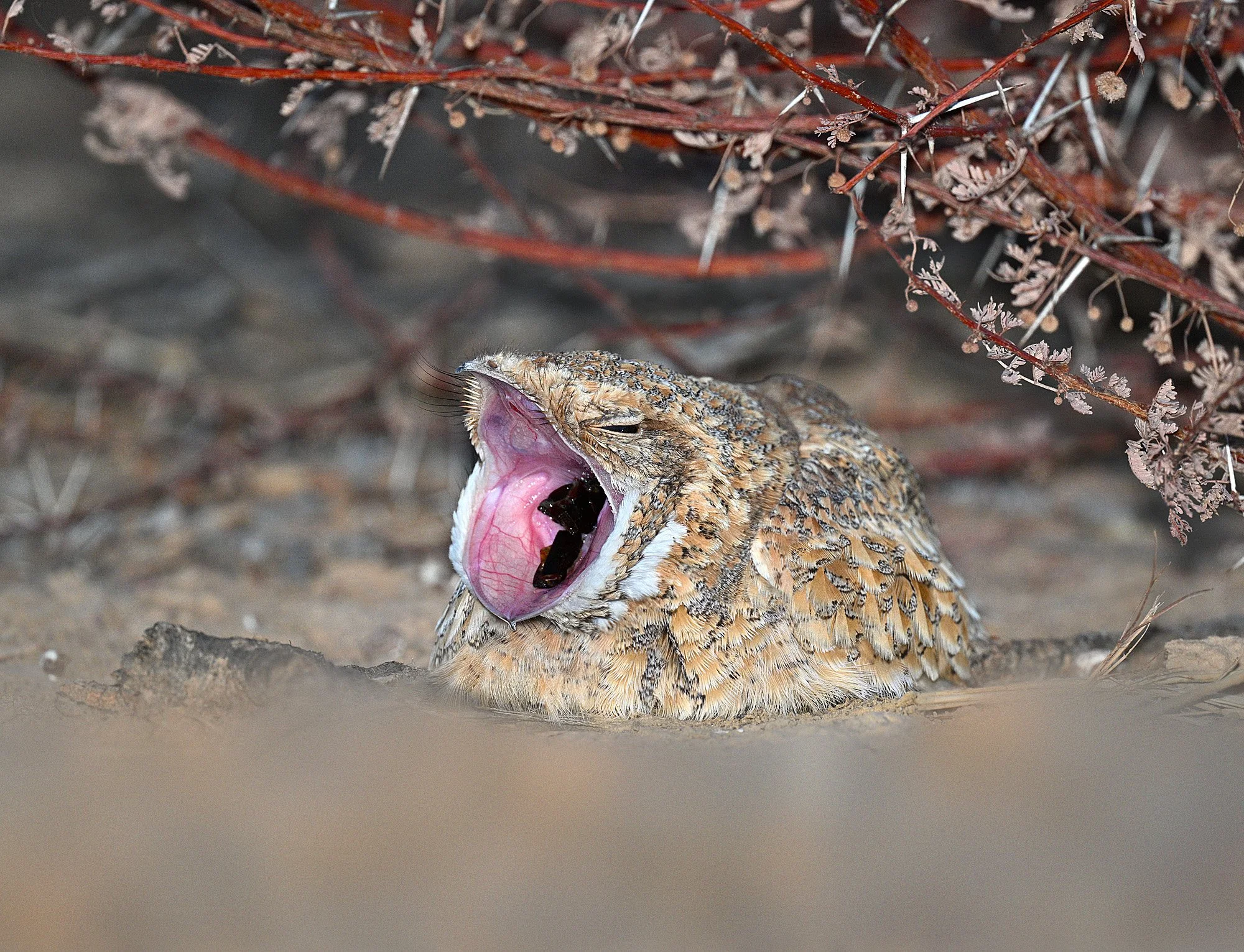
Generally speaking, my favourite photo tends to be the last decent image I took. However, looking back over the last few years, the one that probably gives me the greatest pleasure is of a Golden Nightjar.
Most ornithologists have their dream birds, and this was one of mine. What makes a dream bird, I don’t know? In the case of the Golden Nightjar, perhaps it is the exquisite plumage, reminiscent of a Barn Owl? Or its nocturnal behaviour? Or maybe it is the logistical challenge, since most of its Sahel and Saharan range lies in combat-zone regions.
In my case, a long-term plan was hatched to track down the bird in northern Senegal, and the dream became reality in December 2024. Once you find the species, taking basic images is straightforward – you creep slowly towards the bird, which roosts on the ground in the daytime. The satisfaction came when hours of silently watching a group of roosting birds, and easing myself into the right position, resulted in relaxed birds ‘waking up’ with the last rays of sunlight and interacting with one another. This individual coughed up pellets as a prelude to shuffling around, greeting its neighbours and taking to the wing to hunt moths.
© Paul Sterry
What is the most challenging shot you’ve ever captured - and why?
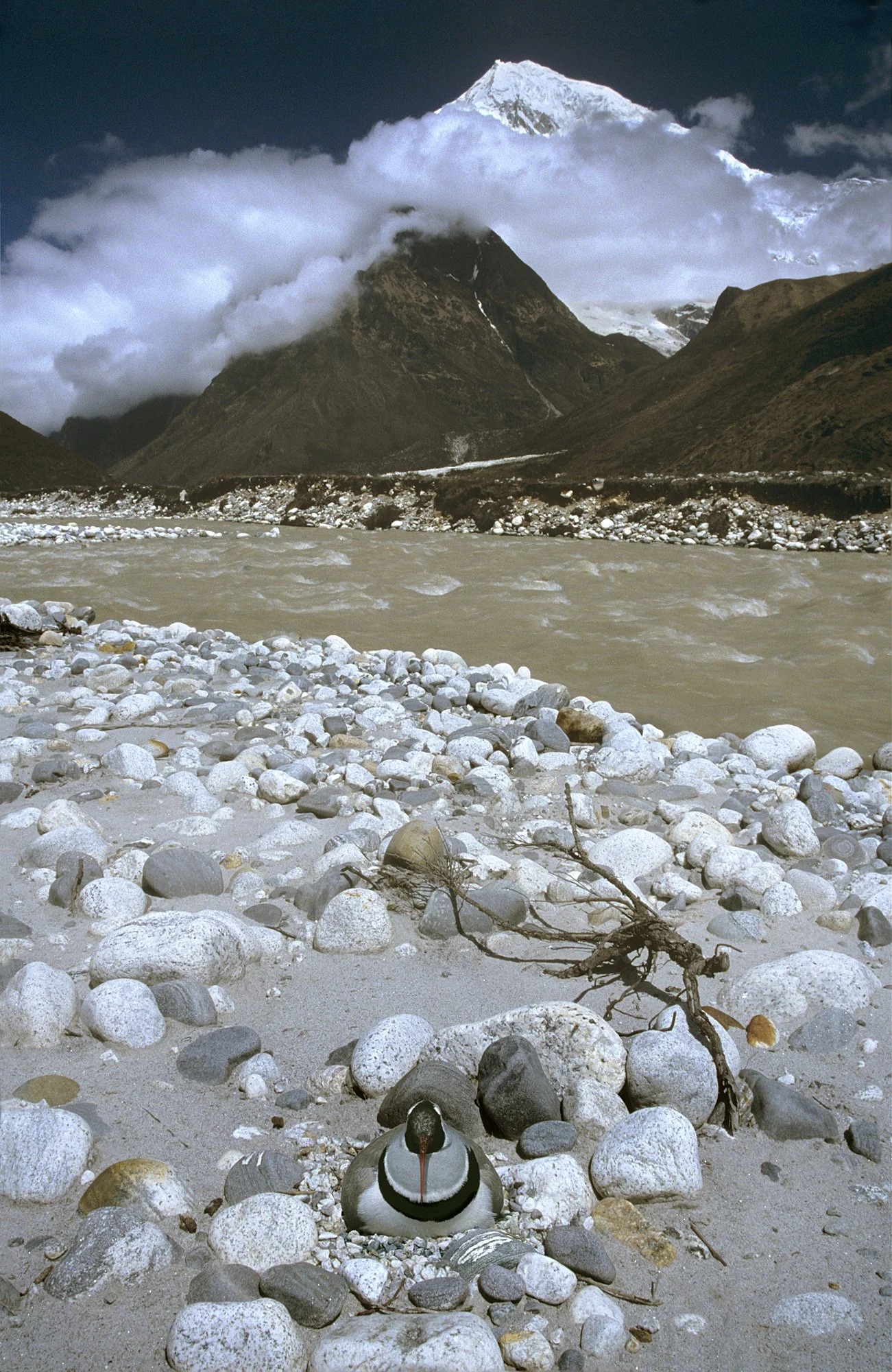
The most physically demanding yet satisfying photograph I have ever taken was of a nesting Ibisbill. I had been fascinated by this unique and enigmatic species ever since I first saw one on wintering grounds in lowland Nepal in the 1980s.
To photograph the bird nesting required a lengthy trek to their breeding grounds on glacial rivers high in the Himalayas. Accompanied by friend and legendary Nepali birder Hem Sagar Baral, in the late 1990s, I trekked the Langtang Valley in late May. Carrying mountains of gear and hampered by what was diagnosed later as amoebic dysentery, the journey to Langtang village (altitude 3,500 metres) took nearly two weeks and was exhausting.
Once there, the challenges continued because Ibisbills nest on shingle islands in a vast braided river system nearly a mile wide. Armed with photographic equipment and a hide, I braved the torrents and the results exceeded my expectations at the time. Bear in mind these were the days of film, and I had to wait nearly a month (following my trek back to the lowlands and return to the UK) to get the films processed.
Although the slides obviously lack the definition offered by digital cameras, looking at them today still brings back memories, some fond but others poignant – a decade and a half after I visited Langtang village, Nepal’s 2015 earthquake triggered a glacial mudslide that destroyed the village and killed around 300 people.
© Paul Sterry
Which BPOTY category is your favorite and why?
As a bird conservationist and trustee of Birds on the Brink, I suppose I should really single out the Conservation Award. However, in truth, it is always that Bird Behaviour category that brings me the greatest pleasure. Some of the images show everyday aspects of birds’ lives in exquisite and intimate detail. Occasionally, others reveal extraordinary bird behaviours that I didn’t even know existed.
You can see the full list of BPOTY 12 Categories here.
What are your top tips and advice to entrants - how can they make their images stand out?
The best advice I can offer is to be creative but, above all, be original. Don’t follow the pack but follow your instincts.
For me, some of the best images are ones where the viewer feels they are an intimate part of the subject’s world. At the other extreme, in line with the best photojournalists, tell the story of the plight of members of the bird world, indeed the natural world generally, at the hands of humankind. If done well, some of the best examples can be hard to look at as a viewer, and sometimes even harder to take as a photographer.
Paul will be joining our other wonderful judges on the 12th Bird Photographer of the Year panel.
Entries for this year’s competition are now open!